








Tonga Humpback Whale Season: When to Go and What a Swim Is Really Like
Tonga’s whale-swimming season runs from mid-July to mid-October. Here’s when to travel, what actually happen...

Discover the mesmerizing Wagah Border Ceremony in Amritsar, with timing, entry fee details, and more. Witness the thrilling border ceremony at Wagah.

The Wagah Border Ceremony, a quintessential part of India tours, is a remarkable event that takes place at the Wagah border near Amritsar. This iconic border ceremony is a symbol of the longstanding rivalry and the subsequent peace between India and Pakistan.
In this article, we delve into the intricacies of the Wagah Border Ceremony, providing you with detailed information on its timing and entry fees, ensuring you have all the necessary details to plan your visit to this unique cultural spectacle.
The history of the Wagah Border Ceremony in Amritsar is deeply rooted in the tumultuous past of India and Pakistan. After gaining independence from British colonial rule in 1947, the Indian subcontinent was partitioned into two separate nations: India and Pakistan. The division was marked by religious and political tensions, leading to one of the largest mass migrations in history and widespread violence between religious communities.
The Wagah Border, situated on the Grand Trunk Road, became the demarcation line between India and Pakistan, with Amritsar on the Indian side and Lahore on the Pakistani side. The border was drawn along the Radcliffe Line, named after the British lawyer Sir Cyril Radcliffe, who was responsible for demarcating the boundary.
The Wagah Border Ceremony, also known as the "Beating Retreat Ceremony" or "Wagah Border Parade," evolved as a daily military practice conducted by the Indian Border Security Force (BSF) and the Pakistan Rangers. It is performed at the Wagah-Attari border post, approximately 30 kilometers from Amritsar, and serves as a symbol of the continuing rivalry and the desire for peaceful coexistence between the two neighboring nations.
The ceremony typically involves elaborate drills, synchronized marching, and the lowering of both countries' flags, symbolizing the end of the day and a show of mutual respect. While the event has its roots in the military tradition of closing the border gates, it has transformed into a highly choreographed and popular public spectacle, drawing tourists and locals alike.
Over the years, the Wagah Border Ceremony has come to symbolize the enduring hope for peace and cooperation between India and Pakistan, even in the midst of historical conflicts and political tensions. It has become an essential part of the cultural experience for visitors to Amritsar and an iconic representation of the complex relationship between the two nations.

The Wagah Border is located in close proximity to the city of Amritsar in the Indian state of Punjab. It is situated approximately 30 kilometers (18.6 miles) west of Amritsar, making it easily accessible from the city. The border marks the division between India and Pakistan, with Amritsar on the Indian side and Lahore on the Pakistani side.
This strategic location near Amritsar makes it a popular destination for both domestic and international tourists visiting the region to witness the famous Wagah Border Ceremony and experience its historical and cultural significance.
Reaching the Wagah Border is relatively straightforward, and there are multiple transportation options available for visitors:
By Road:
By Public Transport:
Tour Packages: Many tour operators and travel agencies in Amritsar offer guided tours to the Wagah Border Ceremony. These tours often include transportation to and from the border, making it convenient for tourists.
Cycling or Walking: For those seeking a unique experience and are staying relatively close to the border, cycling or walking can be an option. However, this is feasible only if your accommodation is nearby, as the distance can be considerable.
It's essential to plan your trip in advance, consider traffic conditions, and aim to arrive well before the ceremony's scheduled timing, as it can get crowded, especially on weekends and holidays. Additionally, ensure you have proper identification and follow any security protocols in place when visiting the border area.
The Wagah Border Ceremony, also known as the Beating Retreat Ceremony, takes place every evening at the Wagah-Attari border post between India and Pakistan. The timing of the ceremony is relatively consistent throughout the year, with slight variations due to seasonal changes in daylight.
The best time to visit the Wagah Border Ceremony in Amritsar can vary depending on your preferences and tolerance for weather conditions. Here are some considerations for different times of the year:
October to March (Winter):
April to September (Summer):
Ultimately, the choice of the best time to visit the Wagah Border Ceremony depends on your personal preferences regarding weather conditions and the timing of the event. Both seasons have their advantages, so you can plan your visit accordingly. Keep in mind that the border ceremony takes place daily, so you have the flexibility to choose a time that suits your schedule while in Amritsar.

The opening hours or timing for the Wagah Border Ceremony at the Wagah-Attari border post near Amritsar are as follows:
Summer Timing (April to September):
Winter Timing (October to March):
These timings are relatively consistent throughout the year, with slight adjustments based on daylight hours. It's advisable to arrive well in advance of the scheduled start time, as the seating area can get crowded, especially during weekends and holidays. Additionally, there may be security checks, so allocating extra time for these procedures is a good idea. Attending the ceremony allows you to witness the elaborate and synchronized drills, flag-lowering ceremony, and the unique cultural experience at the border.
The Wagah Border Ceremony is a unique and culturally significant event that is open to all visitors, and it can be particularly appealing to several groups of people:
Tourists and Travelers: The ceremony is a must-see attraction for tourists visiting Amritsar, as it offers a distinctive cultural experience and a glimpse into the history and relationship between India and Pakistan.
History Enthusiasts: Those interested in the history of the Indian subcontinent and the partition of India and Pakistan will find the Wagah Border Ceremony to be of great historical significance.
Patriotic Individuals: For both Indian and Pakistani citizens, attending the ceremony can evoke feelings of patriotism and national pride, as it is a display of the border guards' discipline and commitment to their respective countries.
Cultural Enthusiasts: The ceremony is a unique blend of military tradition and cultural performance, making it appealing to those interested in cultural exchanges and traditional practices.
Families and Groups: The Wagah Border Ceremony is a family-friendly event and is often enjoyed by groups traveling together. It can be a memorable experience for children and adults alike.
Photography and Videography Enthusiasts: The ceremony's colorful and visually striking displays provide excellent opportunities for photography and videography.
Peace Advocates: Some visitors come to the ceremony with the hope of witnessing a symbol of peace and cooperation between India and Pakistan, despite their historical conflicts.
It's important to note that the ceremony is a popular attraction and can get crowded, especially on weekends and holidays. Therefore, if you plan to attend, it's advisable to arrive well in advance to secure a good viewing spot and fully enjoy the experience.
Attending the Wagah Border Ceremony during your India tour offers several compelling reasons to enhance your travel experience:
Cultural Immersion: The Wagah Border Ceremony provides a unique opportunity to immerse yourself in the rich cultural tapestry of India. It blends elements of military tradition with vibrant performances and showcases the country's diverse heritage.
Historical Significance: The ceremony is a living testament to the history of India and Pakistan's partition in 1947, making it an educational experience for history enthusiasts. Witnessing this event allows you to connect with the past and gain insights into the challenges and triumphs of the region.
Patriotic Pride: Whether you are an Indian or simply visiting the country, attending the ceremony can evoke feelings of patriotism and pride as you witness the disciplined border guards showcasing their dedication to their respective nations.
Cultural Exchange: The ceremony serves as a symbol of people-to-people contact and cultural exchange between India and Pakistan, even in the face of historical conflicts. It underscores the importance of dialogue and cooperation between neighboring countries.
Photographic Opportunities: The Wagah Border Ceremony offers incredible visual moments with vibrant flags, elaborate uniforms, and synchronized drills. It's a paradise for photography enthusiasts and a chance to capture stunning images.
Memorable Experience: The energetic and enthusiastic atmosphere at the border is contagious. The crowd's excitement, the patriotic fervor, and the unique performances create lasting memories of your trip to India.
Symbol of Peace: Many visitors see the ceremony as a symbol of hope and peace between India and Pakistan. Witnessing this daily ritual can inspire a sense of optimism for improved relations between the two nations.
Family-Friendly: The ceremony is family-friendly and suitable for travelers of all ages. It's an excellent opportunity to introduce children to different cultures and historical events in an engaging way.
Convenient Access: The Wagah Border is easily accessible from Amritsar, a popular tourist destination in India known for the Golden Temple and other attractions. Adding the ceremony to your Amritsar itinerary is convenient.
Affordable Entertainment: Attending the ceremony is a relatively affordable form of entertainment, making it accessible to a wide range of travelers.

The Beating Retreat ceremony at Wagah holds significant cultural, historical, and symbolic importance, serving as a powerful representation of the relationship between India and Pakistan. Here are key aspects of its significance:
Symbol of Division and Unity: The Wagah-Attari border was drawn during the partition of India in 1947, separating the two newly formed nations, India and Pakistan. The Beating Retreat ceremony, with its elaborate drills and flag-lowering ritual, symbolizes the closing of the border gates at the end of the day, signifying the division between the two countries. However, it also underscores the hope for peaceful coexistence and unity between them.
Historical Context: The ceremony reflects the historical context of the partition, a momentous event that led to mass migrations, communal violence, and significant changes in the subcontinent's political landscape. It is a poignant reminder of the challenges faced during that period and the subsequent efforts to maintain peace.
Military Tradition: The Beating Retreat ceremony has its roots in the traditional military practice of lowering the flags at sunset. The elaborate and synchronized drills performed by the border guards from both India and Pakistan pay homage to this historical military tradition.
Cultural Spectacle: Over the years, the ceremony has transformed into a vibrant cultural spectacle, attracting tourists, visitors, and locals alike. The energetic and enthusiastic performances, complete with music and choreography, add an element of entertainment and celebration to the event.
People-to-People Contact: The ceremony promotes people-to-people contact and cultural exchange between India and Pakistan. Despite historical conflicts and political tensions, it provides a platform for citizens of both countries to interact and share in the festivities, fostering a sense of goodwill.
Tourist Attraction: The Wagah Border Ceremony has become a major tourist attraction in the region, drawing visitors from around the world. It has contributed to the local economy and tourism industry in Amritsar and Lahore, benefiting businesses and the local community.
Symbol of Hope: For many, the ceremony serves as a symbol of hope for improved relations and peaceful diplomacy between India and Pakistan. It is a reminder that despite the complexities and challenges, there is potential for cooperation and understanding between the two nations.
While there isn't a strict formal dress code for attending the Wagah Border Parade, it's advisable to dress modestly and respectfully, considering the cultural and patriotic nature of the event. Here are some dress code recommendations:
Conservative Attire: Opt for conservative clothing that covers your shoulders, arms, and knees. This is out of respect for the cultural norms in India.
Comfortable Clothing: The ceremony can last for around 45 minutes to an hour, and you may need to stand for a significant portion of that time. Wear comfortable clothing and shoes for ease of movement.
Avoid Revealing Outfits: Refrain from wearing revealing or overly casual attire, such as tank tops, shorts, or miniskirts, as these may not be considered appropriate for the occasion.
Layered Clothing: Depending on the time of year, it can get quite hot or chilly in the evening. Consider wearing layers so that you can adjust your clothing as needed.
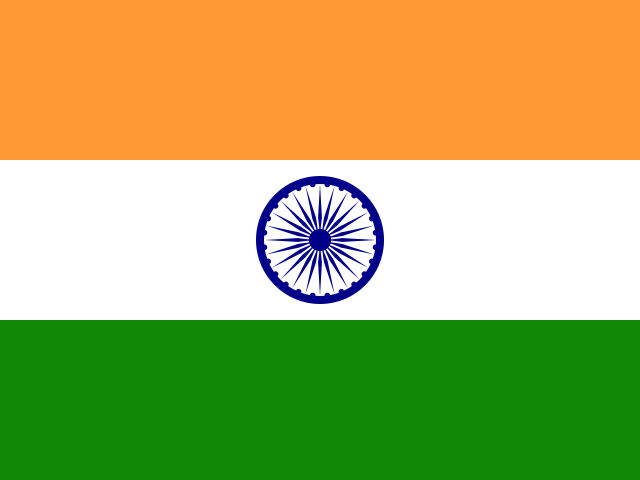
Respectful Colors: While there are no specific color restrictions, wearing clothing in the colors of the Indian flag (saffron, white, and green) or the Pakistani flag (green and white) can show respect for the occasion.
Comfortable Footwear: Choose comfortable and sturdy footwear suitable for standing for an extended period. Keep in mind that there may be uneven surfaces in the seating area.
Hats and Sunscreen: If you're attending during the daytime in the summer, consider wearing a hat and applying sunscreen to protect yourself from the sun.
Avoid Offensive Symbols: Do not wear clothing with offensive symbols, messages, or political statements, as the ceremony is a symbol of peace and respect between India and Pakistan.
Respect Local Customs: If you plan to visit religious sites or places of worship before or after the ceremony, carry a scarf or shawl to cover your head and shoulders if required.
Remember that the Wagah Border Ceremony is a patriotic and culturally significant event, so dressing respectfully and modestly is not only a sign of courtesy but also a way to fully immerse yourself in the experience and show respect for the occasion and its significance.

Attending the Wagah Border Parade is generally free of charge for all visitors. The ceremony is open to the public, and there is no official entry fee. However, there are some optional expenses you may incur:
Seating: While there is free seating available on a first-come, first-served basis, you can choose to pay for reserved seats in designated areas, which may provide a better view of the ceremony. The prices for these reserved seats can vary.
Parking: If you are traveling to the Wagah Border in your own vehicle, there may be parking fees associated with parking your car or motorcycle in the designated parking areas.
Souvenirs: Vendors and shops near the border may sell souvenirs, flags, and patriotic items. Purchasing these items is optional and would incur additional costs.
Food and Refreshments: You might want to buy food and drinks from vendors in the vicinity if you plan to spend several hours at the ceremony. Prices for food and beverages can vary.
Transportation: If you are taking a taxi, auto-rickshaw, or any other mode of transportation to reach the border, there will be transportation costs associated with your journey.
It's important to note that the core experience of witnessing the Wagah Border Parade itself is free, and you can choose to manage additional expenses based on your preferences and comfort. While some visitors opt for reserved seating for a closer view, many others enjoy the ceremony from the open seating areas without any additional cost. Be prepared for some vendors selling items in the area, and if you plan to make any purchases, carry some cash with you.


Browse small-group tours and tailor-made trips to the destinations you have been reading about.