








Are There Group Tours to Sierra Leone? Our Complete 2027 Planning Guide
Yes, Encounters Travel offers group tours to Sierra Leone in 2027. This first-party planning guide covers our current ro...

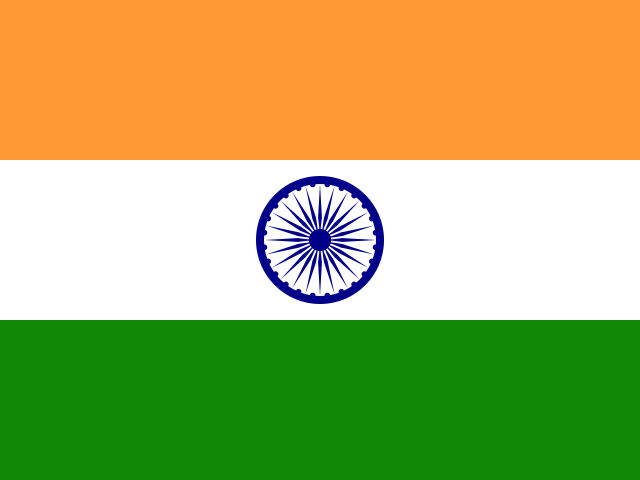
Traveling to India is a vibrant cultural journey filled with traditions, history, and warm hospitality. However, understanding the nuances of Indian etiquette can make your trip smoother and more enriching. From the correct way to greet locals with a respectful "Namaste" to the importance of dressing modestly at religious sites, small gestures of cultural awareness go a long way. Equally important is knowing what to avoid—such as using your left hand for eating or discussing sensitive topics like politics. Whether you're exploring bustling cities or tranquil villages, these do’s and don’ts will help you navigate Indian society with grace and respect. Dive into our comprehensive guide to ensure your visit is memorable for all the right reasons!


India, a land of rich cultural diversity, vibrant traditions, and profound history, offers travelers an unforgettable journey. Whether you're exploring bustling cities or serene rural landscapes, understanding the country's unique customs and etiquette is essential for a respectful and enjoyable experience.
India's cultural tapestry is woven with influences from its many languages, religions, and regional practices, making it a destination that demands sensitivity and openness from visitors. From greeting locals to navigating social norms, being mindful of cultural nuances helps bridge gaps and foster meaningful connections.
In this blog, we'll guide you through essential etiquette tips for travelers visiting India. Discover the do's and don'ts that will not only help you avoid common faux pas but also enrich your experience, allowing you to immerse yourself fully in the warmth and hospitality of Indian society.

Indian culture emphasizes family, respect for elders, hospitality, and community. Harmony and collectivism often take precedence over individualism, reflecting India's deep-rooted traditions and diverse social fabric.
Family serves as the cornerstone of Indian society, providing emotional, financial, and social support. Communities often come together during festivals, weddings, and other life events, fostering strong connections.
Religion is integral to life in India, influencing festivals, rituals, and even daily practices like prayers. Religious tolerance is important, as multiple faiths coexist harmoniously in the country.

Use "Namaste" or "Namaskar" with a slight bow and joined palms to greet, especially in formal or traditional settings.
Dress conservatively, particularly in rural areas and religious sites. Cover shoulders and knees, and consider carrying a scarf or shawl for temples.
Remove your shoes before entering, dress modestly, and avoid taking photos without permission. Always follow local customs.
Knowing phrases like "Dhanyavad" (Thank you) or "Namaste" can help connect with locals and enhance your travel experience.
Avoid pointing with your finger or using your left hand to give or receive items, as these are considered impolite.
Avoid discussing politics, religion, or controversial social issues, as these topics can be divisive and may lead to misunderstandings.
Do not touch communal food with your left hand or take food from someone else's plate, as this is considered disrespectful.
Speak politely, avoid making jokes about religion or traditions, and be mindful of cultural differences in behavior.

Sharing food is common, but always wait to be offered before taking from a shared dish. Use utensils or your right hand when serving yourself.
Accept invitations graciously, remove your shoes before entering, and compliment the food as a sign of appreciation.
Eating with hands is customary for many dishes. Use your right hand, and wash your hands thoroughly before and after meals.
Expect crowds on buses and trains, and always give up your seat for the elderly or women if needed. Keep your belongings secure.
Negotiate fares before starting your journey unless a meter is being used. Learning a few numbers in Hindi can help.
Be mindful of others by speaking softly, keeping luggage organized, and ensuring everyone's comfort in shared spaces.
Accept help graciously, and if appropriate, express gratitude with a small gesture, such as saying "Shukriya" (Thank you).
Politely decline with a smile, using phrases like "Maybe next time" or "Thank you, but I have prior plans."
Politeness and patience foster trust and positive interactions, as Indians value respectful and warm communication.
Understanding customs helps avoid unintentional offenses, builds meaningful connections, and enriches your cultural experience.
Respectful and open-minded behavior creates goodwill with locals, making your journey more rewarding and memorable.
Engage with locals, participate in festivals or traditional activities, and share your culture while being respectful of theirs.


Browse small-group tours and tailor-made trips to the destinations you have been reading about.